She Still Wants to Learn: Why Women’s Empowerment Cannot Wait in Sudan.
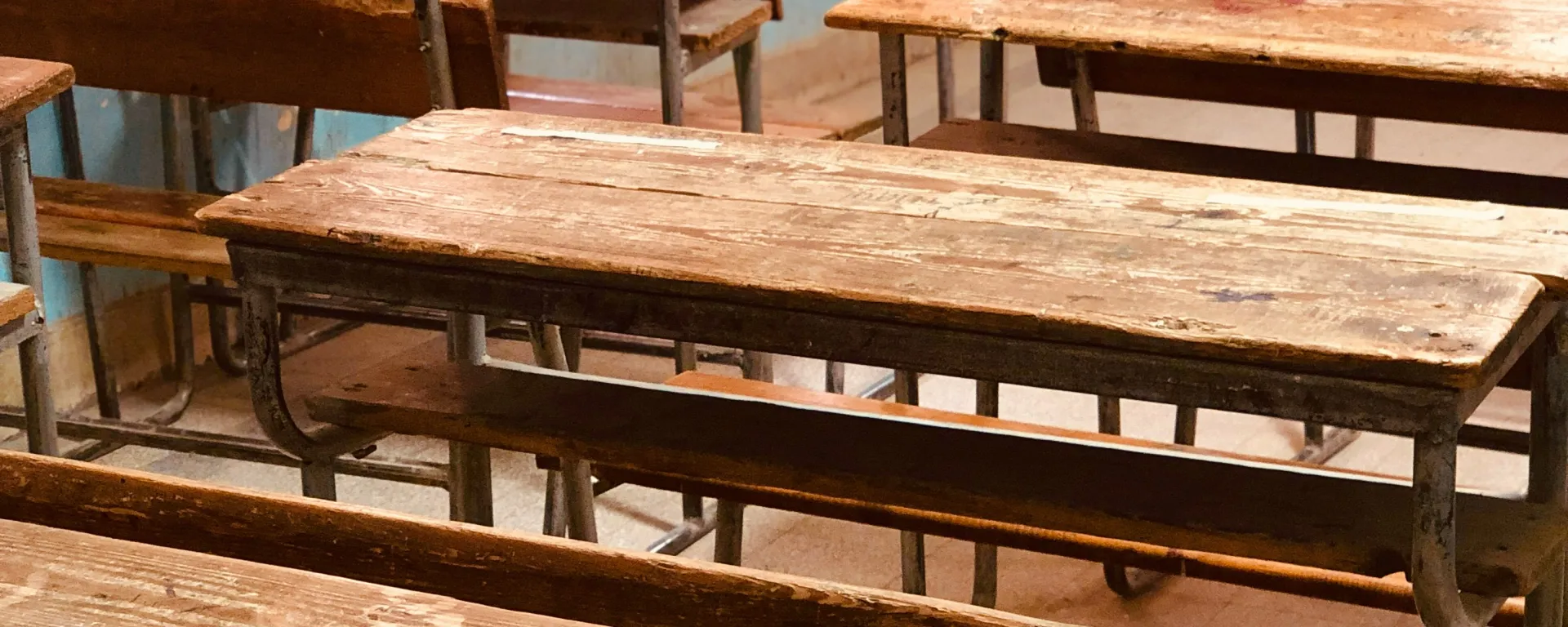
She woke up one morning, and the school was gone.
Not locked. Not closed for holiday. Gone. Turned into a shelter for families fleeing the fighting. And just like that, her education stopped.
This is not one woman’s story. This is the story of millions.
Women Are Bearing the Heaviest Weight
The war in Sudan has hit everyone hard. But it has hit women and girls hardest.
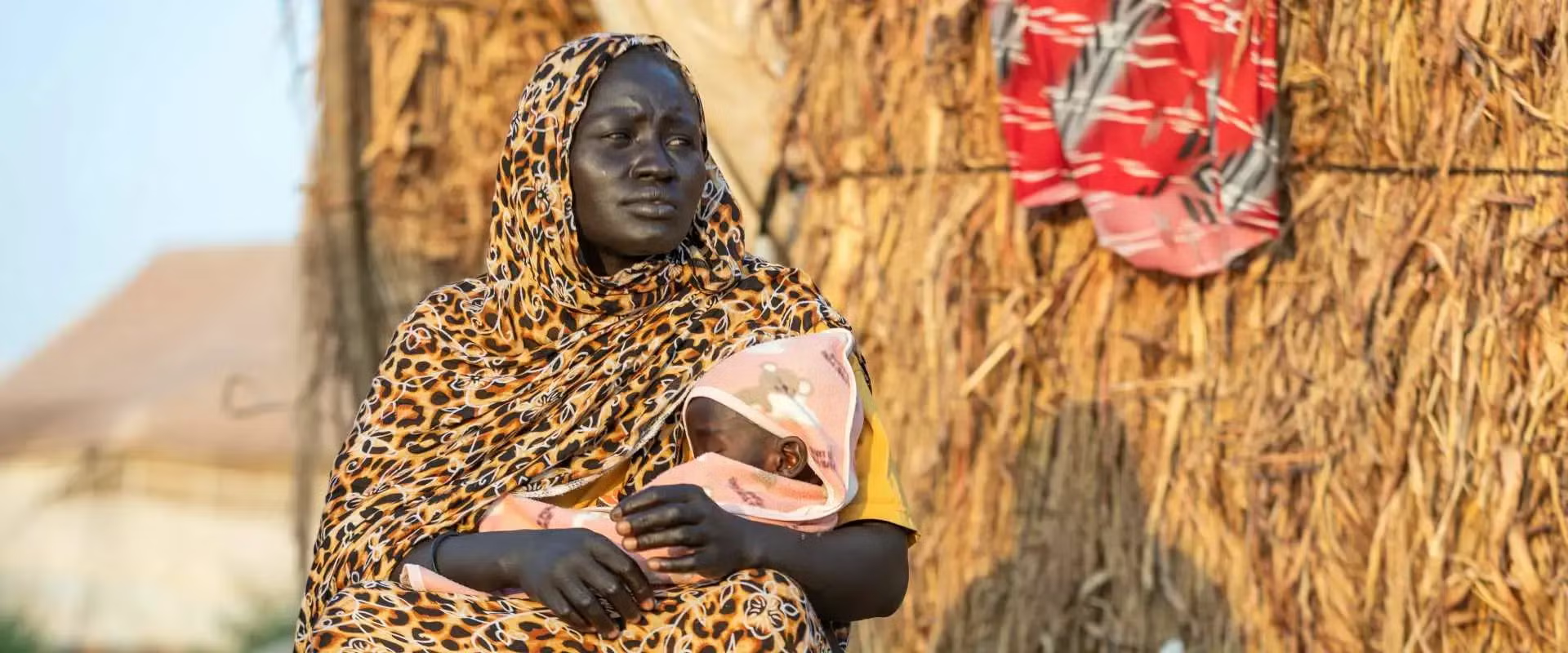
Over 12 million people have been displaced — more than half of them women and children. Women outnumber men as internally displaced persons across all age groups, with 53 percent of them being female. UN Women
They left home with nothing. And when they arrived in safer areas, there was still nothing waiting for them.
At least 80 percent of internally displaced women are unable to secure clean water due to affordability, safety concerns, and distance. ONU Mujeres Food. Water. Shelter. These became the only priorities. Education fell off the list entirely.
Girls Are Being Pulled Out of School
Before the conflict began, Sudanese women were already behind.
The literacy rate for females in Sudan stood at 68.6%, compared to 83.3% for males. Among the poorest households, the literacy rate for young women falls as low as 20%. UNESCO The gap was already wide. The war made it a cliff.
As of September 2024, over 2.5 million girls in Sudan representing 74 percent of school-aged females were not enrolled in any kind of formal education. Intersections
And when a girl drops out of school in a conflict zone, the risks multiply fast.
More than 2.5 million school-aged girls unable to return to the classroom face an increased risk of being subjected to harmful practices such as child marriage and female genital mutilation. UN News
In 2024, Sudan saw a 288 percent increase in demand for gender-based violence services compared to the previous year. UN Women Education is not separate from protection. For girls in Sudan, they are the same thing.
Economic Independence Is Also at Stake
This is not just about classrooms. It is about survival.
With the collapse of women-led businesses, supply chain disruptions, and financial losses, many women who were financially independent now rely on humanitarian aid. Their economic instability makes them even more vulnerable to gender-based violence and sexual exploitation. UN Women
When a woman loses her income, she loses her choices.
Skills training changes that equation. A woman who can type, write, manage accounts, or run a small business has options. She has power. She has a way to rebuild her life on her own terms.
What El-Hilu Is Doing for Women
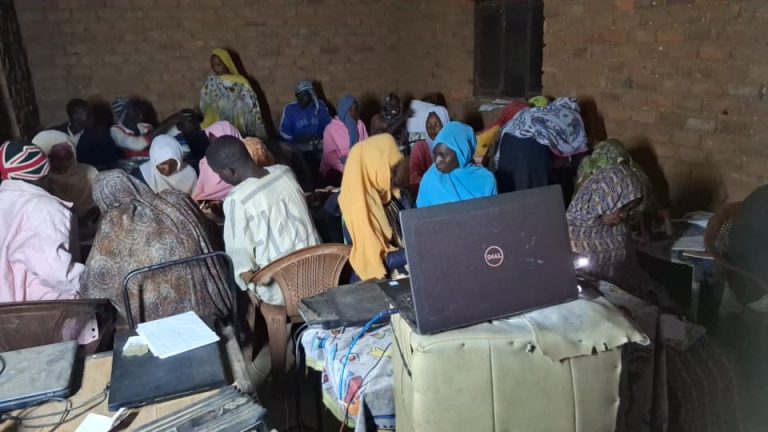
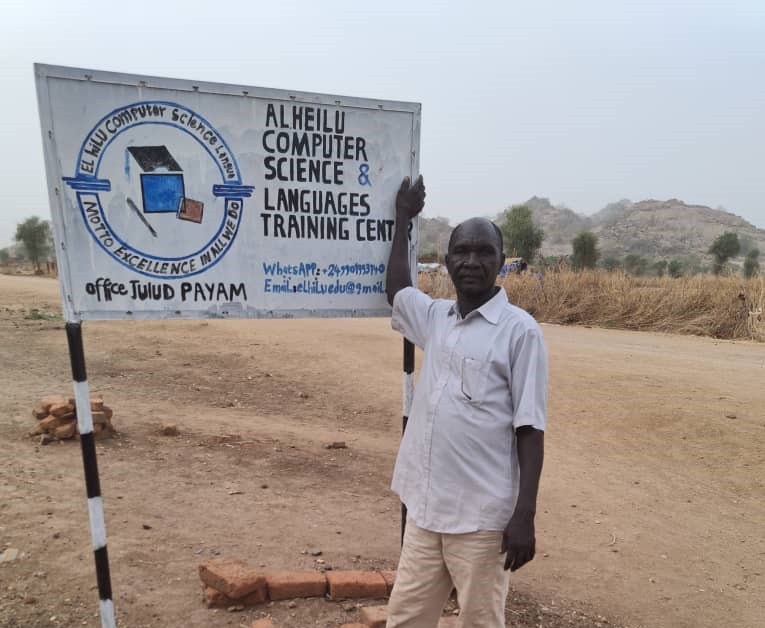
El-Hilu Training Centre runs dedicated Women Empowerment Programs designed for exactly this reality.
The programs target women who have been displaced by conflict, including lactating mothers, women heads of household, and vulnerable groups who have been left furthest behind. The training covers computer skills, language education, administration, functional writing, and civic leadership.
The goal is not charity. It is capability.
When a woman learns to use a computer, she can apply for jobs, access information, and communicate across borders. When she learns English or Arabic, she opens doors that were locked to her before. When she learns to write and manage records, she becomes someone her community can depend on.
Over the past two years, UN Women has supported over 60 women-led organizations to reach over 15,000 women in some of Sudan’s most affected areas, providing skills training, humanitarian aid, and other services. ONU Mujeres El-Hilu is part of this same movement — local, committed, and present on the ground when it matters most.
What It Takes to Keep Going
El-Hilu needs support to keep these programs running and expanding.
Computers. Solar power. Internet access. Teaching staff. Safe learning spaces. These are not luxuries. They are the basic tools that turn a displaced woman into a skilled, confident, economically active member of her community.
UN Women urgently calls for local women’s organizations to receive sufficient resources to protect and empower their communities, and for women’s voices to be front and center in every peace negotiation and recovery process. ONU Mujeres
Supporting El-Hilu is one practical, direct way to answer that call.
She Is Still Here
The women coming to El-Hilu have survived things most of us will never understand.
They walked through checkpoints. They buried family. They rebuilt small pieces of their lives from almost nothing. And they still show up to learn.
That is not weakness asking for help. That is strength asking for a fair chance.
If you believe women in Sudan deserve that chance, visit elhiluedu.org to donate, partner, or sponsor a student today.
Sources:
- UN Women: Two Years of Relentless Conflict in Sudan — unwomen.org
- UN Women: The Impact of Sudan’s War on Women, Two Years On — unwomen.org
- UN Women: Sudan Humanitarian Crisis — Catastrophic Impact for Women and Girls — unwomen.org
- Intersections Journal / McGill: The Education Plummet: A Catalyst for Rights Violations Amongst Sudan’s Young Women — intersectionsjournalmcgill.com
- UNESCO Core Data Portal: Supporting Gender Equality in Sudan’s Educational System — core.unesco.org
- UN News: Women and Girls in Sudan Disproportionately Impacted — news.un.org